Convert cubic units to liters
Whether you have a construction project in the garden or simply want to better understand the conversion of cubic units to volume, this calculator can assist you along the way.
Here, we’ll explain how to use the calculator and provide some practical examples of how this calculation is often used.
Using the calculator is very simple. Enter the desired volume in the first field and select the desired cubic unit from the menu below. Cubic units are given in either cubic meters (m³) or cubic centimeters (cm³). Then press “Calculate” to get the answer, allowing you to easily convert from cubic units to liters.
How many cubics in a liter?
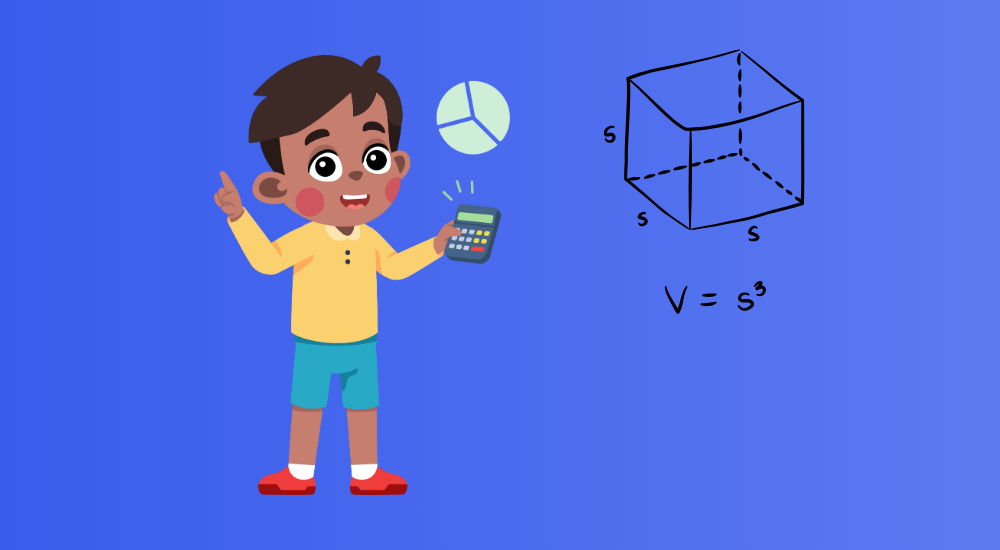
It’s commonly said that one cubic meter equals a volume unit of a cube where all sides are one meter in length. This unit is often used during moving to estimate the load, and in the construction industry as a measure for various building materials.
One cubic meter is equivalent to 1000 liters. This unit is often used to indicate the volume of gases, as well as liquids and solids. Similarly, the following rules apply:
- 1 cubic meter = 1000 liters
- 1 cubic decimeter = 1 liter
- 1 cubic centimeter = 0.001 liter
- 1 cubic millimeter = 0.000001 liter
How much cubic water does a person use?
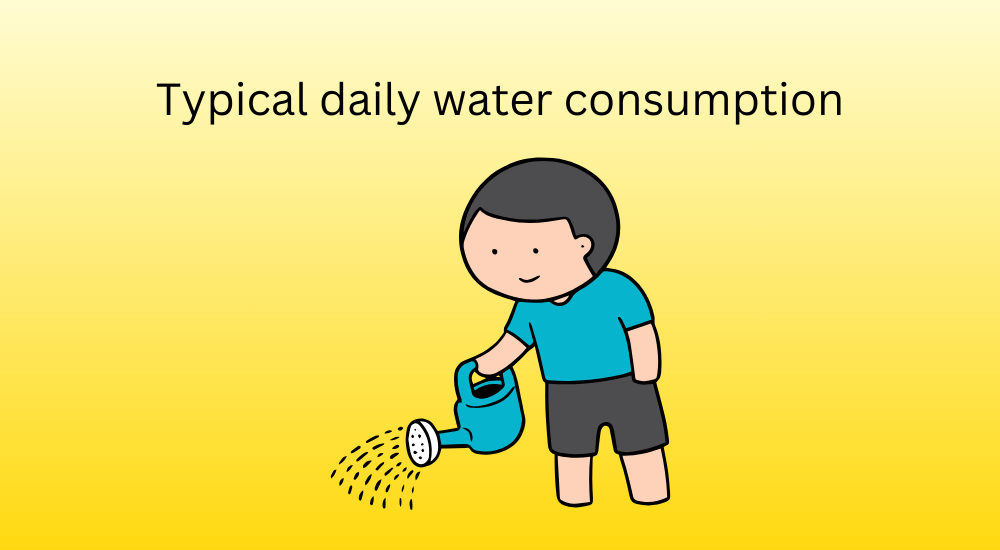
The amount of water a person uses per day can vary greatly. This depends largely on the country you live in, climate/season, cultural habits, and general consumption patterns.
In several countries, water and sewage bills are often calculated based on consumption in cubic meters, either by manually reading the meter or through digital automatic measurements that have become increasingly common in recent years.
Here, a typical daily consumption is about 190 liters per person. Most of this comes from showering, bathing, and toilet visits, but laundry, dishwashing, and garden watering also use a significant amount. Typically, about 5-10 liters are used daily for drinking water and cooking.
In daily life, the conversion from cubic to liters is often like this:
Sometimes recipes specify measurements in cubic decimeters, so it can be useful to convert these to liters for more accuracy.
If you are building with materials like sand, soil, or concrete, converting will also be useful. Likewise, if you want to calculate how much compost you need. Trucks transporting beverages and water containers use this calculation to determine how much space is available on the loading platform.
Related topic: Meter to Feet Converter